Effective Marketing Automation Strategies

Marketing, Marketing Automation, Digital Marketing Strategies
Marketing Automation Strategies That Do the Heavy Lifting (So You Don’t Have To)
If your marketing to-do list looks like a CVS receipt, it’s time to let Marketing Automation step in as your new favorite coworker, the one who never sleeps, never complains, and always remembers to send the follow-up email.
What Exactly Is Marketing Automation (And Why Is Everyone Obsessed With It)?
Marketing Automation is the magic combo of software, data, and smart Digital Marketing Strategies that lets you deliver the right message to the right person at the right time, without manually clicking “send” 400 times a day. Think of it as a super-organized assistant who knows your leads better than they know themselves and nudges them along the buyer’s journey while you work on strategy, creativity, and maybe finally finishing that coffee while it’s still hot.
For businesses and agencies, solid marketing automation strategies are the difference between “We’re kind of winging it” and “We have a predictable, scalable growth engine.” The best part? You don’t need to be a tech wizard to pull it off. You just need a clear plan and the right building blocks.
Start With Strategy, Not Software: Build Your Automation Game Plan
Before you fall in love with a shiny new platform, step back and map your Digital Marketing Strategies. Tools are powerful, but without a plan they’re just expensive toys. Start with three simple questions:
Who are we trying to reach, and what do they actually care about?
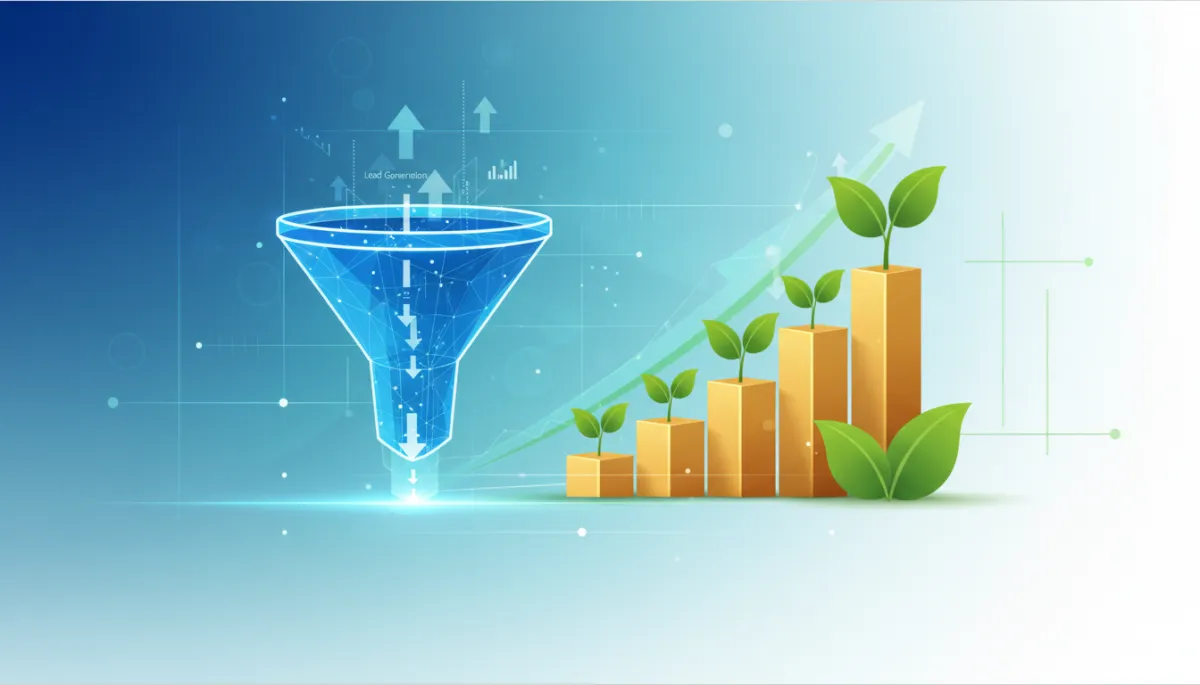
What actions do we want them to take at each stage of the funnel?
Where are we currently dropping the ball, such as slow follow-ups, cold leads, or no nurturing?
Once you’ve answered these, you can organize your content around a few core themes, such as email automation, lead nurturing, and customer retention. These themes become your home base for campaigns, internal linking, and future automation workflows. Every blog, ad, and social post can point back to them, creating a neat little ecosystem where your audience gets value and your automation gets data to work with.
💡 Fun Tip: If you can’t explain your funnel on a whiteboard in under five minutes, your automation will be confused too. Simplify first, automate second.
Core Marketing Automation Strategies You Can Steal Today
1. Lead Nurturing Sequences That Don’t Feel Like Spam
Someone engaged with your brand, attended a webinar, booked a call, or filled out a form. Nice. Now what? With Marketing Automation, you can set up nurture sequences that deliver helpful, binge-worthy content instead of a desperate “Just circling back” email every 48 hours.
Day 1: A warm welcome email plus a link to a highly relevant resource for deeper learning.
Day 3: A case study or success story that shows real-world results.
Day 7: A soft offer, such as a free audit, strategy call, or interactive quiz.
The key is to mix value with personality. Use storytelling, plain language, and a bit of humor. If your emails sound like they were written by a robot, no amount of automation will save them.
2. Smart Segmentation So You Stop Shouting at Everyone
One-size-fits-all messaging is the dad joke of Digital Marketing Strategies. It rarely lands. Segmentation lets you group people by behavior, interests, or stage in the funnel so your automation can talk to them like actual humans. Common segments include:
Cold leads: Need education and trust-building content, not a hard sell.
Engaged leads: Clicking, visiting, interacting with your brand, and ready for deeper offers.
Customers: Perfect for upsells, cross-sells, and loyalty campaigns.
Modern Marketing Automation platforms make this surprisingly easy. You can trigger tags and segments based on page visits, email opens, clicks, and even time spent on key content. The result is messages that feel tailored, not generic.
3. Behavioral Triggers: Let Actions Drive the Conversation
Imagine if your sales team got a ping every time a hot lead visited your pricing page twice in one day. With behavioral triggers, that’s not a fantasy. That is a normal Tuesday. You can set up workflows like:
When a lead views the pricing page, send a helpful comparison guide.
When they revisit a product page, alert sales to follow up personally.
When they stop engaging, drop them into a reactivation campaign with fresh content.
This is where Digital Marketing Strategies and Marketing Automation really become best friends. You design the journey, and the platform delivers it automatically based on what people actually do, not what you hope they’ll do.

Clear dashboards help you see which automated journeys are quietly printing revenue.
4. Multi-Channel Automation: Go Beyond the Inbox
Email is the classic home base for Marketing Automation, but the fun really starts when you connect other channels. You can sync your CRM, ad platforms, and website so your Digital Marketing Strategies feel consistent everywhere your audience hangs out.
Show remarketing ads only to leads who engaged with specific high-intent content.
Trigger SMS reminders for webinar registrants an hour before you go live.
Sync customer data so loyal buyers see VIP offers instead of generic promos.
💡 Fun Tip: Treat each channel like a band member. Email might be lead vocals, but ads, SMS, and content are the backup singers that make the song catchy.
How Agencies Can Turn Automation Into a Revenue Machine
If you run an agency, Marketing Automation isn’t just a nice-to-have. It is a service line waiting to happen. You can package automation audits, funnel builds, and ongoing optimization as retainers that your clients will happily renew, because they see real numbers, not just “brand awareness vibes.”
Build standardized funnel templates for common industries you serve.
Create reusable content assets you can lightly customize per client instead of spinning up brand-new downloads every time.
Offer monthly optimization based on open rates, click-throughs, and revenue attribution.
Pair that with highly credible external resources, such as industry benchmarks, platform documentation, and thought leadership from recognized experts, and your recommendations stop feeling like opinions and start sounding like well-informed strategy. Clients love that, and frankly, so will your sales team.
Measuring Success: Because Vibes Don’t Pay the Bills
Fun is great, but results are better. The beauty of Marketing Automation is that almost everything is trackable. Tie your Digital Marketing Strategies to clear metrics:
Lead-to-customer conversion rate by funnel or workflow.
Revenue influenced by automated campaigns versus manual one-offs.
Time saved by your team on repetitive tasks.
Use your analytics to identify your top-performing journeys, best-converting sequences, and highest-value segments. Then do more of what works and ruthlessly trim what doesn’t. Optimization is where good automation strategies turn into great ones.
Your Next Steps: Build, Test, Tweak, Repeat
Marketing Automation isn’t about flipping a single switch. It is about building a system that gets smarter over time. Start with one journey, maybe a simple lead capture flow or a post-purchase sequence. Connect it to a clear next step, write emails that sound like a real human, and let your automation platform do the legwork.
From there, layer in segmentation, behavioral triggers, and multi-channel touches. Use data from credible external sources to benchmark your performance and inspire new ideas. Keep what works, fix what doesn’t, and don’t be afraid to experiment. Your best-performing campaign might start as a wild idea scribbled on a napkin.
📌 Key Takeaway: The real power of Marketing Automation comes when it’s woven into your overall Digital Marketing Strategies, not bolted on as an afterthought.
So, whether you’re a growing business or a busy agency, treat automation like the team member you’ve always wanted: reliable, data-driven, and quietly working in the background while you focus on the big, bold moves that actually grow the brand. Your future self and your future revenue reports will be very, very grateful.