Essential CRM Tips for Effective Marketing Automation

Small Business CRM Solutions and Marketing Automation: A Strategic Guide to Scaling Customer Relationships
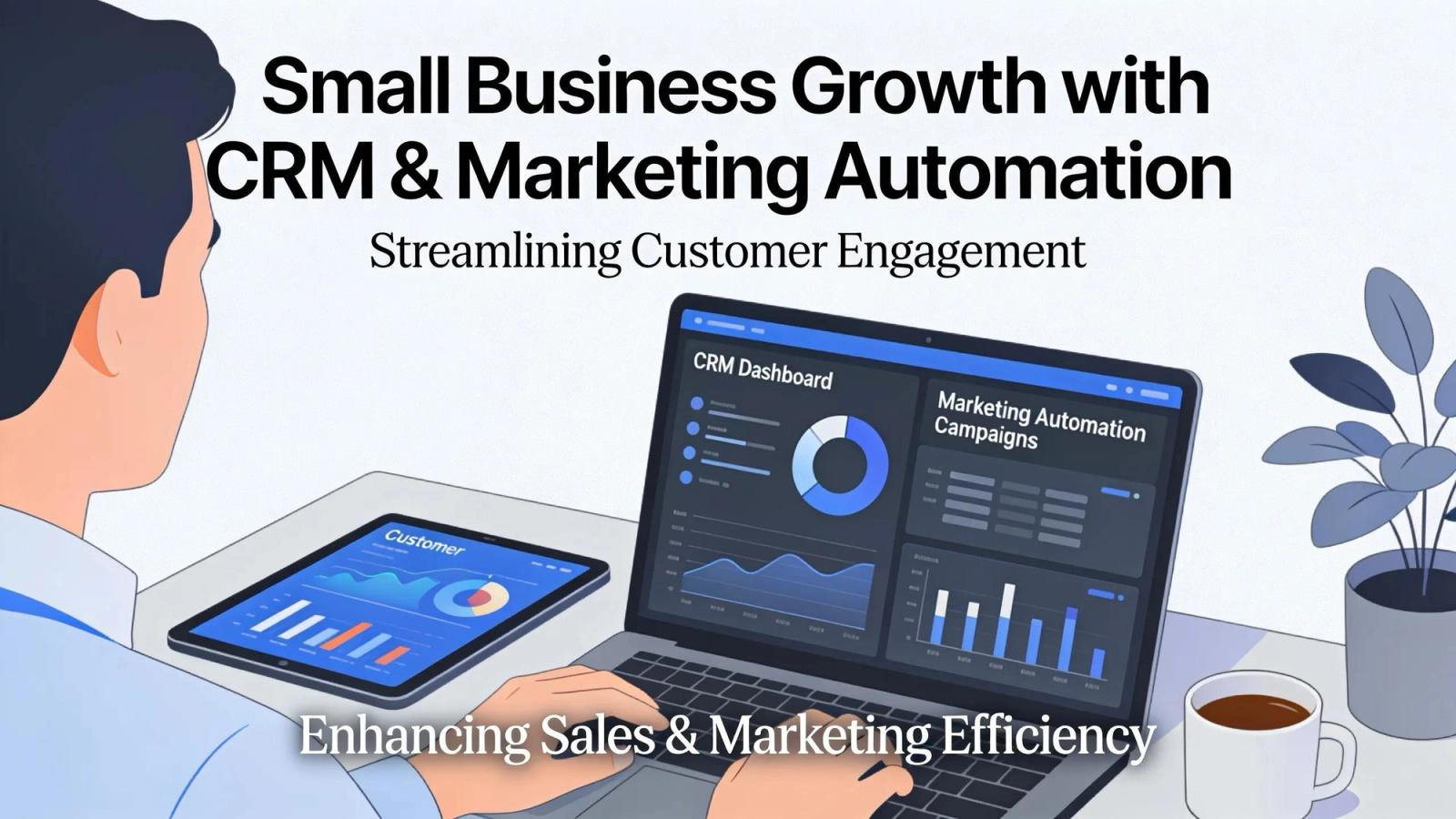
In the dynamic landscape of business, effective customer relationship management (CRM) and marketing automation serve as pivotal frameworks for small businesses aiming to scale their customer interactions. Understanding and leveraging these tools is critical for growth in today’s competitive environment. This article will delve into the best CRM solutions available for small businesses in 2023, their effective comparison methods, and the essential features of marketing automation tools. Additionally, we will discuss how to integrate these systems effectively for sustainable operational scalability and customer retention strategies.
Navigating the best CRM systems while recognizing the capabilities of marketing automation can substantially elevate a small business's capacity to nurture customer relationships. Through structured exploration, this guide will help small businesses overcome common challenges.
What Are the Best CRM Solutions for Small Businesses in 2023?
In the current market, several CRM solutions stand out as the best choices for small businesses due to their unique features, user-friendliness, and return on investment (ROI). These solutions not only streamline customer interactions but also enhance data management capabilities.
Some of the top CRM solutions for small businesses in 2023 include:
- HubSpot CRM: A user-friendly option offering free tools to manage customer relationships.
- Zoho CRM: Known for its affordability and flexibility, making it suitable for small to medium-sized businesses.
- Salesforce Essentials: Offers robust features tailored for small businesses with an easy setup process.
- Pipedrive: Focused on sales pipeline management and easy-to-use interface.
- Insightly: Combines CRM with project management functionalities for comprehensive project tracking.
These platforms provide essential tools for managing customer interactions, analyzing data, and optimizing marketing campaigns.
How to Compare Top CRM Software Features and Pricing Models
Analyzing the various features and pricing models of CRM software can equip business owners with the knowledge needed to make informed decisions. When comparing CRM solutions, here are key factors to consider:
Key Factors for Comparison
- Cost-Effectiveness: Determine the value offered at various pricing tiers, particularly for small business budgets.
- Feature Comparison: Review essential features like contact management, sales tracking, and reporting capabilities to ensure they meet your business needs.
- User Experience: Consider the learning curve and user interface to ensure that employees can adopt the software efficiently.
Choosing the right CRM involves assessing these factors to ensure that the selected solution aligns with the company's unique operational needs.
Which CRM Platforms Deliver Measurable ROI for Small Business Growth?
Measuring the ROI of CRM implementations is crucial for small businesses. Successful platforms typically show significant returns through improved customer engagement and streamlined processes.
Measuring ROI
Businesses should analyze the following metrics to measure CRM effectiveness:
- Customer Retention Rates: A good CRM should enhance the ability to retain existing customers.
- Sales Growth: Monitor pre- and post-implementation sales to identify tangible growth linked to the CRM usage.
- Time Savings: Assess how much time the CRM saves your team, translating into more efficient service and potentially greater profits.
Success stories can reinforce these metrics, showcasing how effective CRM usage leads to tangible financial gains.
It is critical for small businesses, often having limited resources, to carefully consider the cost-benefit analysis of adopting CRM automation.
Cost-Benefit of CRM Automation for Small Businesses
As a means of increasing operational efficiency, increasing customer engagement, and promoting corporate success, customer relationship management (CRM) automation has emerged as an essential tool. The choice to embrace customer relationship management (CRM) automation, on the other hand, is one that small-scale companies (SSEs) must carefully consider, given the limited financial and technological resources at their disposal. Evaluating The Cost-Benefit Analysis of Crm Automation In Small-Scale Enterprises: A Case Study Approach, 2025
How to Choose Effective Marketing Automation Platforms for Small Business Success?

Selecting the right marketing automation platform is equally important as choosing a CRM. These platforms help streamline marketing efforts, maximizing customer outreach.
Key Features of Marketing Automation Software
To make an informed choice, identify the following key features:
- Integration Capabilities: Ability to work in tandem with existing CRM systems.
- Segmentation and Targeting: Options to create detailed customer segments for personalized marketing.
- Analytics and Reporting: Tools to gather insights on customer interactions and campaign performance.
Effective marketing can significantly enhance customer engagement when these features are utilized efficiently.
What Are Key Features of Leading Marketing Automation Software?
The leading marketing automation software often provides several critical features that enhance functional capabilities:
- Email Campaign Management: Streamlined processes for creating, sending, and analyzing email campaigns.
- Lead Scoring and Nurturing: Advanced tools to rank leads and nurture them through targeted campaigns.
- Social Media Automation: Integration for scheduling and analyzing social media posts for broader reach.
These features enable businesses to engage customers effectively, fostering better relationships through consistent communication.
How Do Email Marketing Automation Tools Enhance Lead Nurturing?
Email marketing automation tools provide a systematic approach to nurture leads effectively, ensuring that potential customers receive timely and targeted communications. This process enhances engagement through automated follow-ups, personalized messaging, and valuable content delivery.
Key benefits include:
- Increased Engagement: Regular communication keeps your brand top-of-mind for potential customers.
- Efficiency: Automation allows for reaching out to leads without manual intervention, saving time.
- Performance Tracking: Analyze metrics such as open and conversion rates to refine strategies continually.
Implementing these tools not only aids in lead nurturing but also fosters a more profound customer relationship.
Which Customer Retention Techniques Work Best for SMBs Using CRM and Automation?
Customer retention is vital for small business success, and utilizing CRM along with marketing automation is a proven strategy. For businesses looking to implement advanced strategies, exploring these techniques is essential.
Effective techniques include:
- Regular Engagement: Utilize CRM to track customer interactions and follow up regularly.
- Personalized Offers: Use data analytics to provide tailored promotions and content to customers.
- Feedback Loops: Implement systems to gather and act on customer feedback, enhancing overall satisfaction.
These techniques are proven to work well when systematically applied, promoting stronger customer loyalty.
How Does Marketing Automation Improve Customer Retention Metrics?
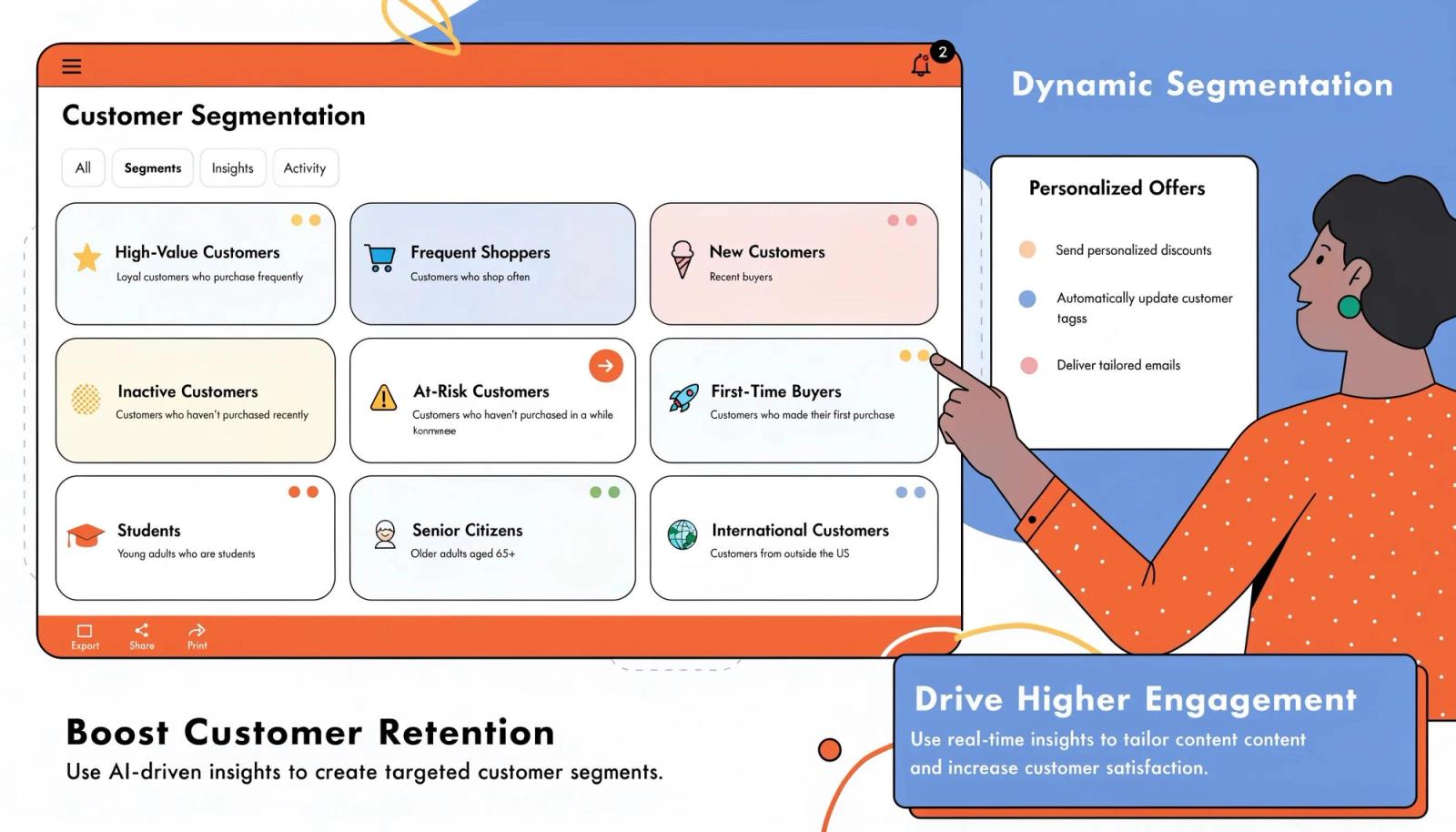
Marketing automation plays a crucial role in enhancing customer retention metrics by allowing businesses to execute tailored marketing strategies consistently. These platforms enable:
- Consistent Communication: Ensures that customers receive timely updates and offers based on their preferences.
- Targeted Campaigns: Utilizing customer data leads to more effective promotional strategies, directly linked to their interests.
- Analytics: Monitor customer engagement and satisfaction through real-time data, allowing for immediate adjustments to campaigns.
What Are Practical Automation Workflows to Retain Small Business Customers?
Practical automation workflows can substantially enhance customer retention strategies. Some useful workflows include:
- Onboarding Sequences: Automated welcome emails that guide new customers through services or products.
- Re-engagement Campaigns: Automated follow-ups designed to re-engage customers who have become inactive.
- Loyalty Programs: Use automation to track and reward loyal customers through exclusive offers and communications.
These automation flows streamline processes, improving customer experience while fostering loyalty and engagement.
How to Integrate CRM Systems with Marketing Automation for Scalable Growth?
Integration of CRM systems with marketing automation is essential for facilitating communication and enhancing business operational efficiency.
Benefits of Integration
- Data Synchronization: Ensures that customer data is consistently updated across platforms, providing accurate insights for marketing efforts.
- Streamlined Processes: Simplifies workflows by allowing teams to access critical information in one place.
- Increased Efficiency: Reduces the time spent on entering data manually, allowing teams to focus on more value-adding tasks.
These synergies between CRM and marketing automation pave the way for robust growth.
The ability of automation technologies, such as CRM systems and email marketing automation, to help small businesses reach their target audiences more effectively while saving time and resources is a testament to their transformative potential.
Automation's Impact on Small Business Digital Marketing
The rapid advancement of automation technology has significantly impacted digital marketing strategies, particularly for small businesses aiming to enhance efficiency and optimize operations. This study explores the implementation of automation tools in digital marketing efforts, focusing on their potential to streamline processes, improve customer engagement, and increase overall marketing effectiveness for small businesses. Automation technologies, such as customer relationship management (CRM) systems, email marketing automation, and social media management tools, allow small enterprises to reach their target audience more effectively while saving time and resources.
Implementation of Automation Technology in Enhancing Digital Marketing Efficiency for Small Businesses, SSD Waramena, 2025
What Are Best Practices for Aligning Sales and Marketing Through Integration?
Effective integration of sales and marketing through CRM and marketing automation requires adherence to best practices:
- Shared Goals: Align objectives between sales and marketing teams to ensure cohesive strategies.
- Regular Communication: Maintain open lines of communication to foster collaboration and adjust strategies in real-time.
- Data Sharing: Utilize integrated platforms to share customer insights and progress regularly.
Adhering to these practices fortifies the relationship between departments, enriching overall business strategy.