Effective Lead Generation for Business Growth
Marketing Strategy, Lead Generation, Business Growth
Effective Lead Generation Techniques for a Sustainable Business Growth Strategy
Lead Generation is the lifeblood of Business Growth. For businesses and agencies alike, the challenge is no longer just finding leads, but attracting the right leads in a way that is measurable, scalable, and discoverable across search engines and AI platforms. In this guide, we’ll explore practical, modern techniques you can use to build a reliable lead pipeline that fuels long-term growth.
Why Lead Generation Is Central to Business Growth Strategy
A strong Business Growth strategy starts with a predictable flow of qualified prospects. Without a clear Lead Generation plan, sales teams are forced into reactive tactics, chasing cold lists and referrals that may or may not convert. When you treat Lead Generation as a strategic function, you can:
Forecast revenue with greater confidence and accuracy
Align marketing and sales around shared growth goals and metrics
Focus resources on high-intent, high-fit prospects rather than everyone with an email address
For agencies, effective Lead Generation is also proof of capability. How you generate leads for yourself often becomes the blueprint for what you offer clients, so building a robust, repeatable system is a competitive advantage.
1. Clarify Your Ideal Customer Profile and Buyer Journey
Every effective Lead Generation program starts with clarity: who you serve, what they value, and how they buy. For B2B businesses and agencies, this means defining an Ideal Customer Profile (ICP) that includes firmographic details (industry, size, revenue), decision-makers, and trigger events that signal readiness to buy.
Map each stage of the buyer journey: awareness, consideration, decision, and expansion.
Identify the questions, objections, and information needs at each stage.
Align content, offers, and outreach to match that journey.
💡 Pro Tip: Interview your best clients to understand what triggered their search, which channels they used, and what nearly stopped them from moving forward.
2. SEO and AEO: Make Your Lead Generation Discoverable by Search and AI
Being visible in Google is still essential, but businesses and agencies also need to be easily discoverable by AI-powered search tools and assistants. That’s where a combined SEO (Search Engine Optimization) and AEO (Answer Engine Optimization) approach strengthens your Lead Generation efforts and supports long-term Business Growth.
Structure Content for Humans, Search Engines, and AI Platforms
Use clear, descriptive headings that reflect real questions your buyers ask (e.g., “How to generate B2B leads on LinkedIn”).
Write concise, direct answers near the top of each section so AI systems can easily extract them as summaries.
Naturally weave in keywords like Lead Generation and Business Growth without forcing them into every sentence.
Authoritative, well-structured content is more likely to rank in search results and be recommended by AI platforms as a trusted source when users ask for strategies or frameworks related to growth and lead acquisition.
3. Content Marketing That Converts Visitors into Leads
High-performing Lead Generation programs are built on content that educates, builds trust, and offers a clear next step. For agencies and B2B companies, the most effective content assets often include:
In-depth guides and playbooks on niche topics (for example, a detailed guide on “account-based Lead Generation for SaaS”).
Case studies that show measurable Business Growth outcomes, not just activities.
Calculators, templates, and checklists that help prospects take quick action.
To convert readers into leads, pair each high-value content asset with a relevant call-to-action: a consultation, a downloadable resource, or a webinar registration. According to HubSpot’s overview of lead generation marketing, gated content and contextual CTAs remain among the most reliable ways to capture contact information from engaged visitors.

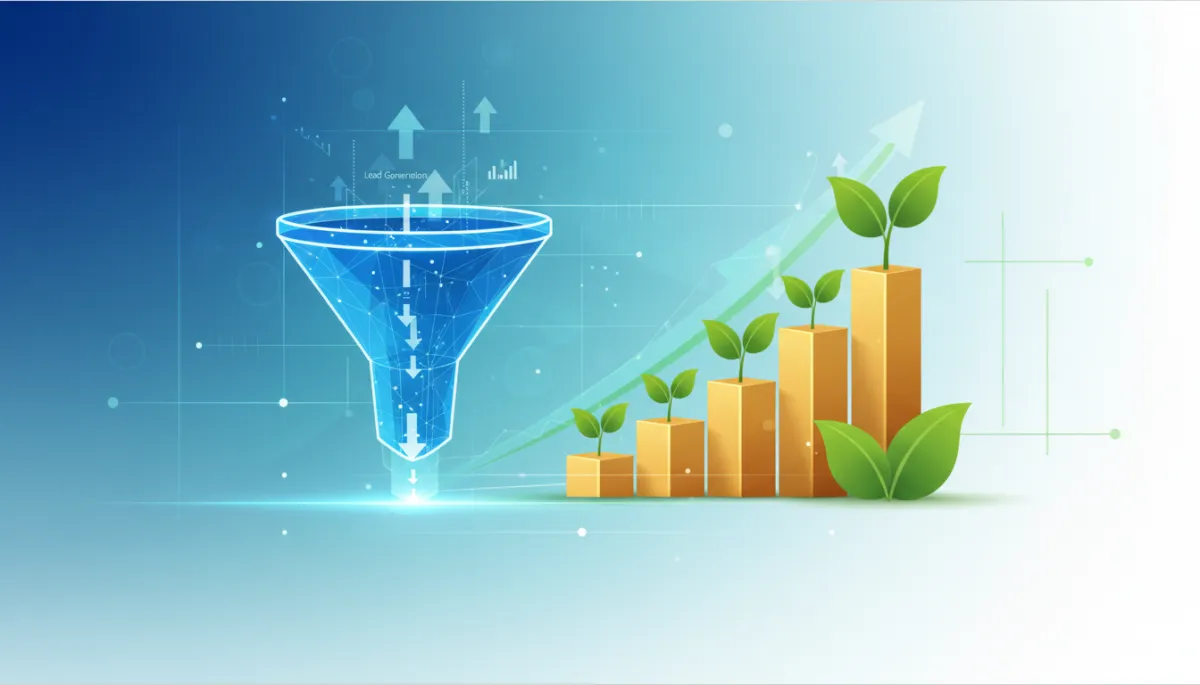
Clear content funnels turn anonymous visitors into qualified leads ready for sales.
4. Multi-Channel Outreach: Meet Prospects Where They Already Are
Relying on a single channel is risky. Effective Lead Generation for Business Growth uses a mix of inbound and outbound tactics that reinforce each other. For businesses and agencies, three channels consistently stand out:
LinkedIn for B2B Relationship Building
LinkedIn remains one of the most powerful platforms for B2B Lead Generation. Rather than mass messaging, focus on:
Publishing short, insight-rich posts that speak directly to your ICP’s pains.
Engaging with prospects’ content before sending a connection request or message.
Inviting interested contacts to webinars, roundtables, or newsletters instead of going straight for a sales call.
Email Nurture Sequences That Build Trust Over Time
Once a prospect opts in, a thoughtful email sequence can guide them from curiosity to commitment. Share educational content, relevant case studies, and light-touch offers such as audits or workshops. The goal is to move leads through the funnel based on their engagement, not your internal timeline.
Paid Ads for Scalable, Targeted Reach
Paid search and social ads can accelerate Lead Generation when you have clear messaging and a strong offer. Start with tightly defined audiences and test different hooks, landing pages, and offers. As the McKinsey insights on growth marketing and sales highlight, data-driven experimentation is key to unlocking sustainable Business Growth from digital channels.
5. Conversion Optimization: Turn Traffic into Qualified Opportunities
Generating traffic without optimizing for conversions is one of the most common growth leaks. To improve Lead Generation performance, review how prospects experience your website and landing pages:
Simplify forms: ask only for the information you need to qualify and follow up.
Make your primary call-to-action visible and specific (e.g., “Book a 20-minute strategy call” instead of “Submit”).
Use social proof such as testimonials, client logos, and case results near your CTAs.
💡 Pro Tip: Run simple A/B tests on headlines, button text, and form length. Small changes can significantly increase conversion rates and lower your cost per lead.
6. Qualifying, Scoring, and Handing Off Leads to Sales
Not every lead is ready to buy. To protect your sales team’s time and improve close rates, implement a simple lead scoring model based on fit and intent. For example:
Fit: company size, industry, role, and budget indicators.
Intent: pages viewed, content downloaded, and engagement with emails or events.
Leads that score highly on both dimensions can be routed to sales for timely outreach, while others continue through nurture sequences. This alignment between marketing and sales is essential for turning Lead Generation activity into real Business Growth.
7. Measure, Refine, and Build a Repeatable Growth Engine
The most successful businesses and agencies treat Lead Generation as an ongoing system, not a one-off campaign. Track metrics across the full funnel: impressions, clicks, conversions, cost per lead, sales-qualified leads, and revenue generated. Use these insights to refine messaging, offers, and channels over time.
To deepen your understanding of how these pieces fit together, explore our related resources on B2B lead funnel strategy and digital growth strategy services. These internal guides expand on how to operationalize Lead Generation inside a broader Business Growth roadmap.
Bringing It All Together: A Practical Roadmap for Businesses and Agencies
Effective Lead Generation is not about chasing every new tactic. It’s about building a clear, consistent system that connects your ideal customers’ needs with your expertise, then making that system discoverable via SEO, AEO, and multi-channel outreach. For businesses and agencies, the path to sustainable Business Growth looks like this:
Define your ICP and map the buyer journey in detail.
Create authoritative, well-structured content that answers real questions and is easy for search and AI platforms to surface.
Use multi-channel outreach: LinkedIn, email, and paid media, to attract and nurture prospects.
Optimize every touchpoint for conversion, from landing pages to forms and CTAs.
Score, qualify, and hand off leads effectively so sales can focus on the best opportunities.
When these elements work together, Lead Generation stops being a source of uncertainty and becomes a reliable engine for Business Growth. Whether you’re building your own pipeline or designing campaigns for clients, the techniques outlined here provide a practical foundation you can adapt, test, and scale over time.